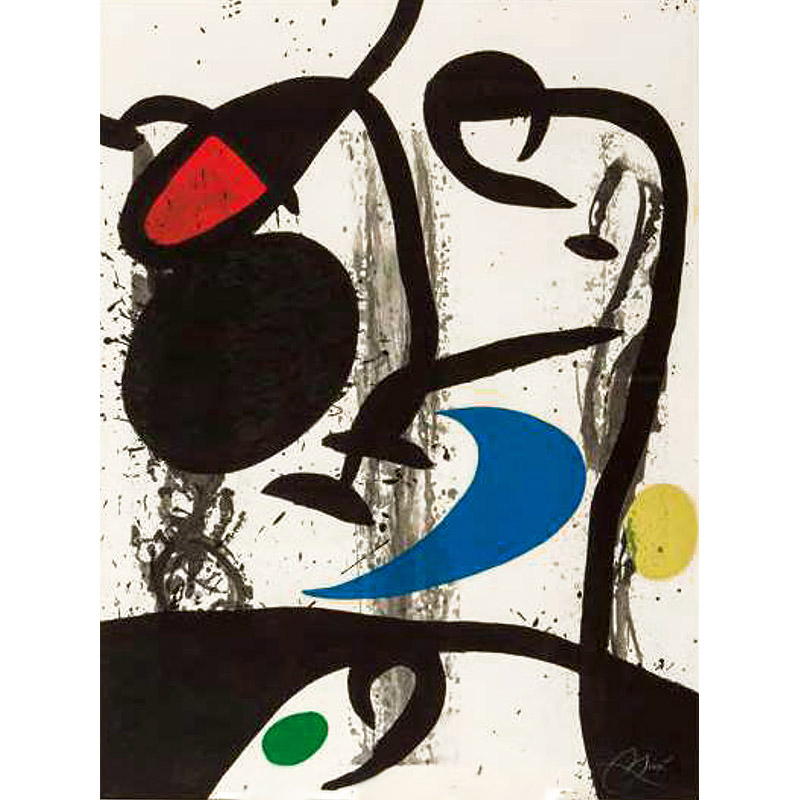
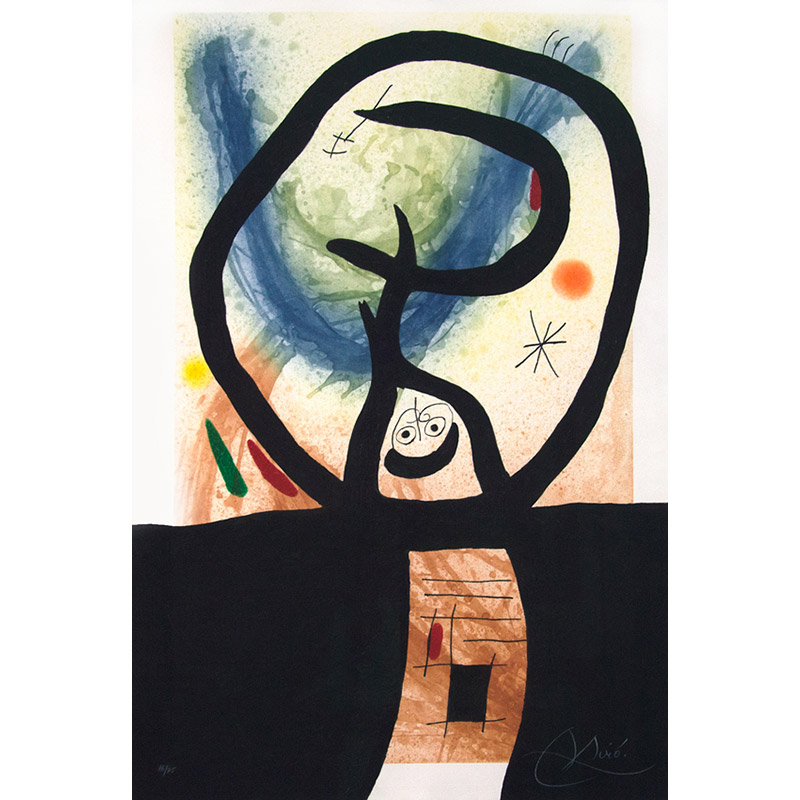
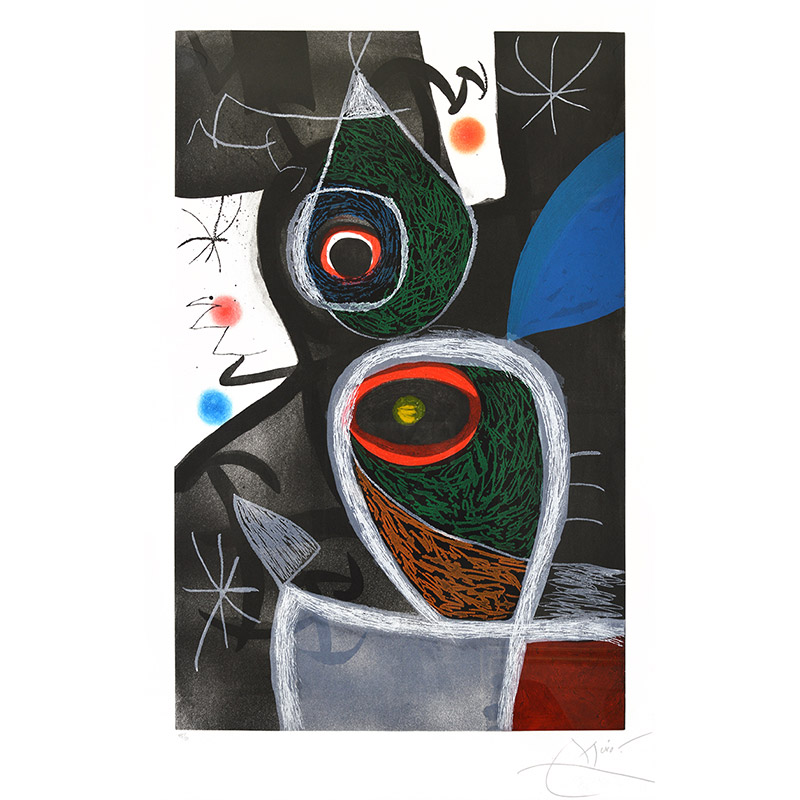
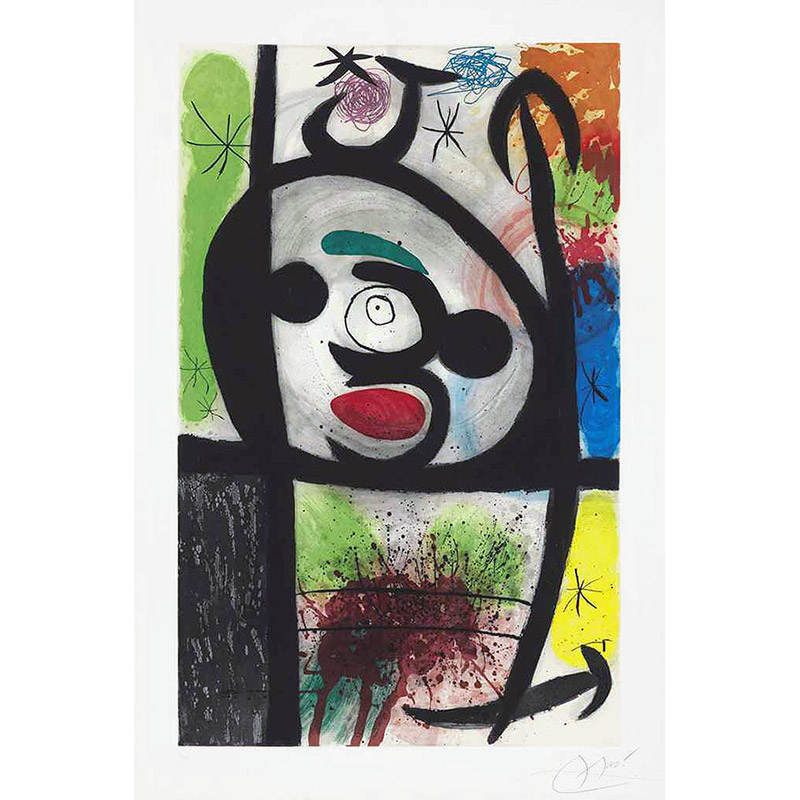
If you are considering selling a Joan Miró painting, print, lithograph, etching, sculpture, ceramic or work on paper, the first step is identifying exactly what you own. Miró worked extensively across different media, and the value of Miró works can vary substantially based on medium, date, image, edition, signature, condition, provenance and current collector demand.
We evaluate Joan Miró artworks for private owners, collectors, estates and families who want to understand what they own and determine the best way to sell it. For works we are actively seeking, we may also make a direct purchase offer.
What Kind of Joan Miró Artwork Do You Own?
Joan Miró created paintings, drawings, sculptures, ceramics and an extensive body of original prints. His graphic works include lithographs, etchings, aquatints, carborundum prints and other limited editions.
We evaluate:
- Original Joan Miró lithographs
- Signed and numbered Miró prints
- Etchings and aquatints
- Carborundum prints
- Individual prints from suites and portfolios
- Complete Miró print portfolios and suites
- Paintings and unique works
- Drawings and works on paper
- Sculpture and ceramics
- Signed and unsigned documented editions
Correctly identifying the medium and edition is especially important with Miró because original prints, unsigned publication lithographs, posters and later reproductions can look similar but occupy very different markets.
How Much Is My Joan Miró Worth?
The value of a Joan Miró depends on the exact artwork rather than the artist’s name alone. Important factors can include the medium, date, subject, edition size, signature, dimensions, condition, provenance, rarity and current demand for that particular work.
For Joan Miró prints and lithographs, catalogue raisonné information can be particularly useful. References associated with Jacques Dupin, Fernand Mourlot and Patrick Cramer can help identify documented graphic works, illustrated books and editions.
Recent auction results can provide useful market evidence, but the most relevant comparisons are generally sales of the same work or closely related editions. A signed and numbered lithograph, an unsigned lithograph issued in a publication and a reproduction of the same image can have substantially different values.
We evaluate each Miró individually using identification details, condition, provenance, relevant comparable sales and current private-market activity.
For a deeper explanation of Miró valuation, see our How Much Is My Joan Miró Worth? guide.
What Determines the Value of a Joan Miró Print?
Several factors can materially affect the value of an original Joan Miró print:
Medium and Technique
Miró worked in lithography, etching, aquatint, drypoint and carborundum, among other printmaking techniques. Certain large-scale or technically complex works can attract a different collector market from more common editions.
Signature and Edition
Signed and numbered impressions generally trade differently from unsigned works. Edition size, Artist’s Proofs and other documented proof types can also affect value.
Image and Series
Collector demand varies by image, period, subject and portfolio. Strong color, recognizable Miró imagery and works from sought-after suites may attract greater interest.
Condition
Fading, paper discoloration, foxing, tears, trimming, creases, staining, restoration and previous mounting can all affect value.
Provenance and Documentation
Gallery invoices, auction records, collection history and catalogue references can help establish the identity and ownership history of the artwork.
Joan Miró Prints, Techniques and Portfolios We Evaluate
Joan Miró produced an extensive body of original graphic work using lithography, etching, aquatint, drypoint and carborundum. We evaluate individual impressions, signed and unsigned editions, illustrated-book works, prints from portfolios and complete suites.
For editioned works, the exact technique, image, edition, signature, printer, publisher, paper and catalogue raisonné reference can all help identify the artwork and determine its current market.
Is My Joan Miró an Original Print?
An original Joan Miró print is not simply a reproduction of one of his paintings. Original lithographs, etchings and other prints were created as works of art in their own right and produced using specific printmaking processes.
When identifying a Miró print, important details may include:
- Hand signature
- Edition number or proof designation
- Sheet and image dimensions
- Paper
- Printer and publisher
- Catalogue raisonné reference
- Stamps or inscriptions
- Provenance and prior ownership
A signature alone should not be used to determine authenticity. The complete artwork should correspond with the known information for the documented edition.
If you are unsure what you own, photographs of the front and reverse, signature, edition number and any labels or markings are often enough for us to begin researching the work.
See our How to Tell If Your Joan Miró Is an Original Print guide for a detailed identification checklist.
Signed vs. Unsigned Joan Miró Prints
Not every original Joan Miró lithograph is signed and numbered. Miró also created original lithographs for books, publications and projects such as Derrière le Miroir. Some of these are genuine original lithographs even though they are unsigned, while others encountered in the market are posters or reproductions.
The distinction matters because signed limited editions typically occupy a different market from unsigned publication lithographs.
Before selling an unsigned Miró, it is important to determine exactly what type of print it is rather than assuming that an unsigned work has no value.
Should I Sell My Joan Miró Privately or at Auction?
Both auction and private sale can be appropriate depending on the artwork.
Auction may provide broad exposure for rare or highly desirable Miró works that could attract competitive bidding. However, auction can involve estimates, reserves, scheduled sale dates, commissions and the possibility that a work does not sell.
A direct private sale can offer greater discretion, more control over timing and a more predictable transaction.
We review the specific Joan Miró you own, current demand and relevant recent sales before determining whether it may be suitable for direct purchase.
How to Sell Your Joan Miró
Start by sending clear photographs of the front and back of the artwork, including the signature, edition number, labels and any documentation you have. We can then identify the work, review condition and provenance, evaluate relevant recent sales and determine whether it may be appropriate for a direct purchase offer.
See our How to Sell Your Joan Miró Artwork guide for the complete step-by-step process.
Why Sell Your Joan Miró With Us?
We have decades of experience buying and selling Modern and Post-War art and work with private collectors, estates and institutions throughout the United States and internationally.
Each Joan Miró is evaluated individually. We focus on identifying the exact artwork, understanding its condition and provenance and reviewing current market evidence before discussing a potential purchase.
For completed acquisitions, we can coordinate payment, insurance and professional art transportation to make the process straightforward and secure.
What Should I Send for a Joan Miró Valuation?
To begin, send:
- A full photograph of the artwork
- A photograph of the reverse
- Close-ups of the signature and edition number
- Dimensions
- Title or catalogue reference, if known
- Gallery labels or stamps
- Purchase documents or provenance
- Any known condition issues
Ready to Sell Your Joan Miró?
If you own a Joan Miró painting, original lithograph, print, sculpture, ceramic or work on paper, send us photographs and any documentation you have. We can help identify the artwork, evaluate its current market and determine whether it may be appropriate for a direct purchase offer.
Get a Confidential Joan Miró Valuation
If you are considering selling a Joan Miró painting, lithograph, print, sculpture, ceramic or work on paper, send us photographs and any information you have about the artwork. We can help identify the work, review relevant market information and determine whether it may be appropriate for a direct purchase offer.