Want to Sell Joan Miró Carborundum Prints? Our gallery reviews individual works, documented proofs and complete portfolios for potential direct purchase. Send photographs for a free, confidential evaluation. We consider the exact image, technique, edition, signature, condition and ownership history.
Submit Your Miró for Review
Use our selling page to upload photographs and share what you know about the artwork. Complete paperwork is not required to begin.
Miró Carborundum Works We Consider
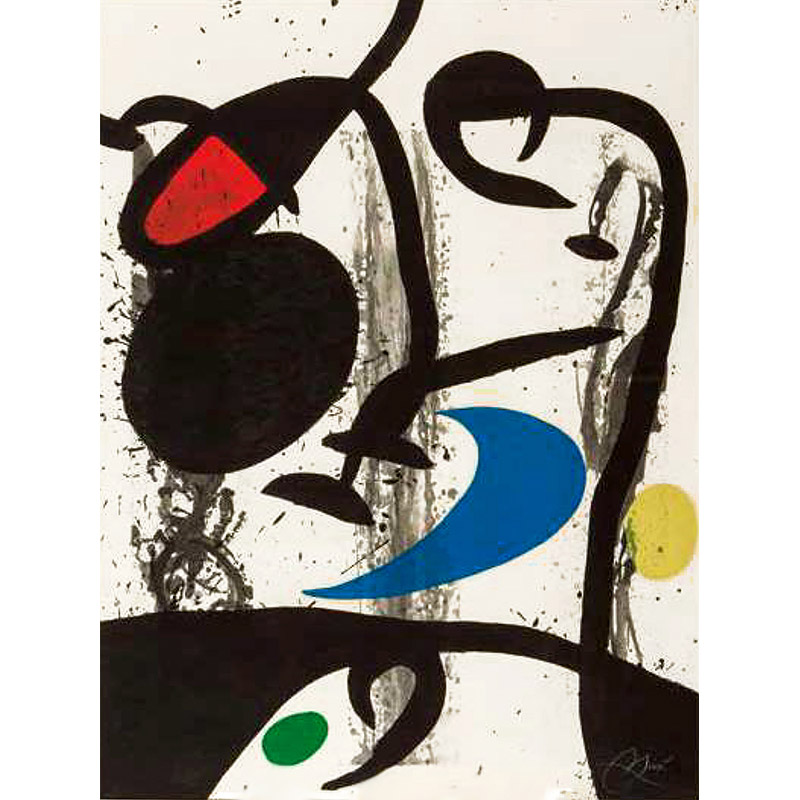
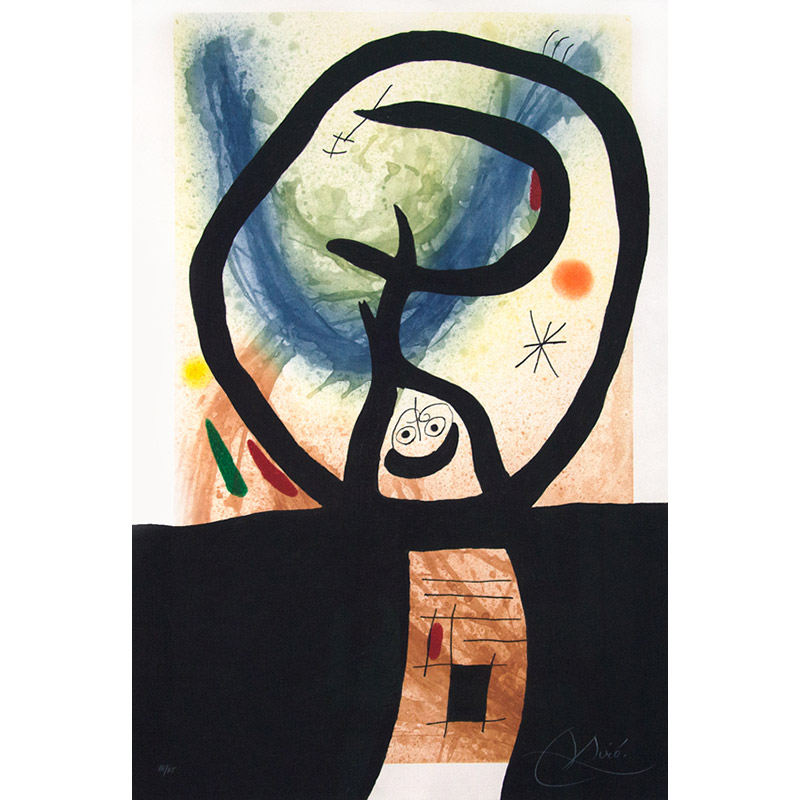
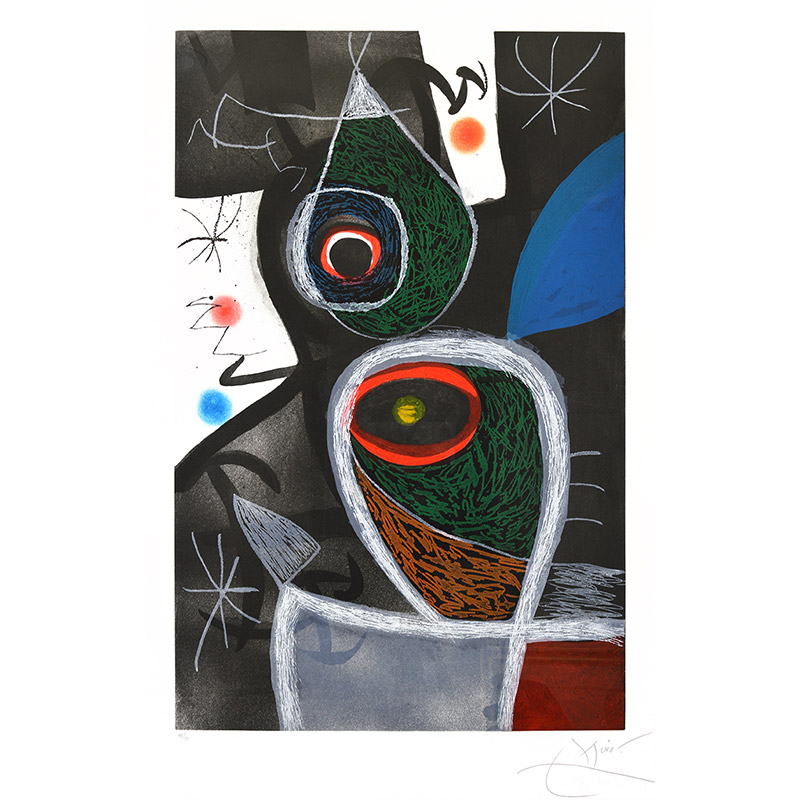
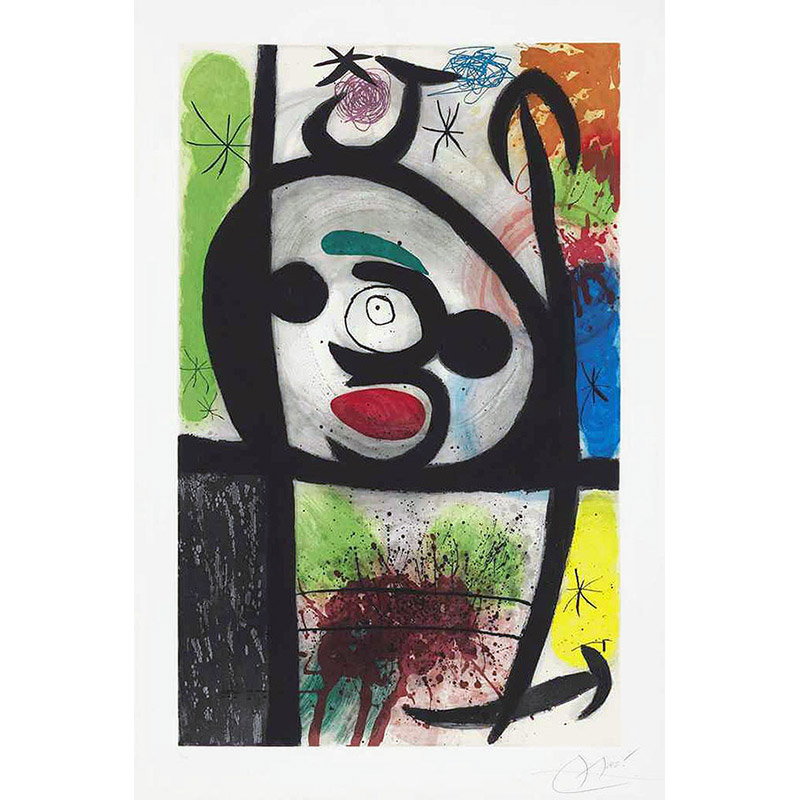
We consider signed and numbered carborundum works, documented proofs and portfolio sheets, including compositions combining carborundum with etching, aquatint or drypoint. Both individual impressions and complete groups may be considered, depending on the artwork and our current acquisition interests.
Selected examples:


What Is a Miró Carborundum Print?
Carborundum printmaking uses silicon-carbide particles bonded to a printing plate to hold ink and create textured passages. Miró often combined this process with etching and aquatint, producing dense blacks, saturated color and pronounced surface effects. These are editioned graphic works; texture alone does not establish originality.
Signatures, Editions and Proofs
The signature, numbering and proof inscriptions should correspond with the documented edition. Signatures can vary by work: Gargantua, for example, includes impressions signed in white crayon. E.A., H.C. and Roman-numeral inscriptions require individual research; none automatically establishes a higher value or authenticates the sheet.
For more detail, see our Joan Miró identification guide.
Paper, Dimensions and Catalogue References
Miró’s carborundum works are documented in Jacques Dupin’s Miró Graveur. Paper, dimensions and edition structure vary by work. Include any Dupin reference and available sheet measurements, distinguishing them from the frame or visible opening. Leave framed artwork in place for an initial inquiry.
Photographing Texture and Condition
Send a full, evenly lit photograph and a close-up with light from the side to show the surface. Include any rubbing, flattened texture, staining, tears or repairs. Avoid touching or cleaning the image area, and do not remove the work from its frame solely for initial photographs.
For information about how individual artworks are evaluated, visit How Much Is My Joan Miró Worth?
What to Send
- Full photographs of the front and reverse.
- Close-ups of the texture, signature, edition number and proof inscriptions.
- Dimensions, title and Dupin reference, if known.
- Labels, purchase records, ownership history and known condition issues.
- For a portfolio, photographs of all sheets and any original covers, case or justification page.
How Selling Your Miró Works
1. Send Photographs and Basic Details
Upload images through our selling page. Send what you have, even if the title or technique is uncertain.
2. Discuss the Artwork With Our Gallery
We review the edition, condition, provenance and relevant market comparisons. Additional photographs or an inspection may be needed.
3. Review the Offer and Sale Terms
For works we are seeking, we may make a confidential direct purchase offer. If you accept, we confirm payment, professional packing, insurance and transportation arrangements.
Read more about our selling process.
Frequently Asked Questions
Is a carborundum print an original artwork?
It can be. Carborundum is a printmaking technique used for original editions. The individual sheet still needs to match the documented image, medium, paper, dimensions and edition details.
Can an etching also be a carborundum work?
Yes. Miró frequently combined techniques, so one work may be described as an etching and aquatint with carborundum. The complete medium should match the catalogue entry.
Can you begin with photographs?
Yes. Clear photographs and basic information can begin our review. Further documentation or physical inspection may be needed before a purchase decision.