Want to Sell Joan Miró Etchings & Aquatints? Our gallery reviews individual works, documented proofs and complete portfolios for potential direct purchase. Send photographs for a free, confidential evaluation. We consider the exact image, technique, edition, signature, condition and ownership history.
Submit Your Miró for Review
Use our selling page to upload photographs and share what you know about the artwork. Complete paperwork is not required to begin.
Miró Etchings and Aquatints We Consider
We consider signed and numbered etchings, aquatints, drypoints, mixed-technique works and documented proofs. This includes works combining etching and aquatint with carborundum, as well as sheets from illustrated books and complete portfolios. Acquisition interest depends on the individual artwork and its edition.
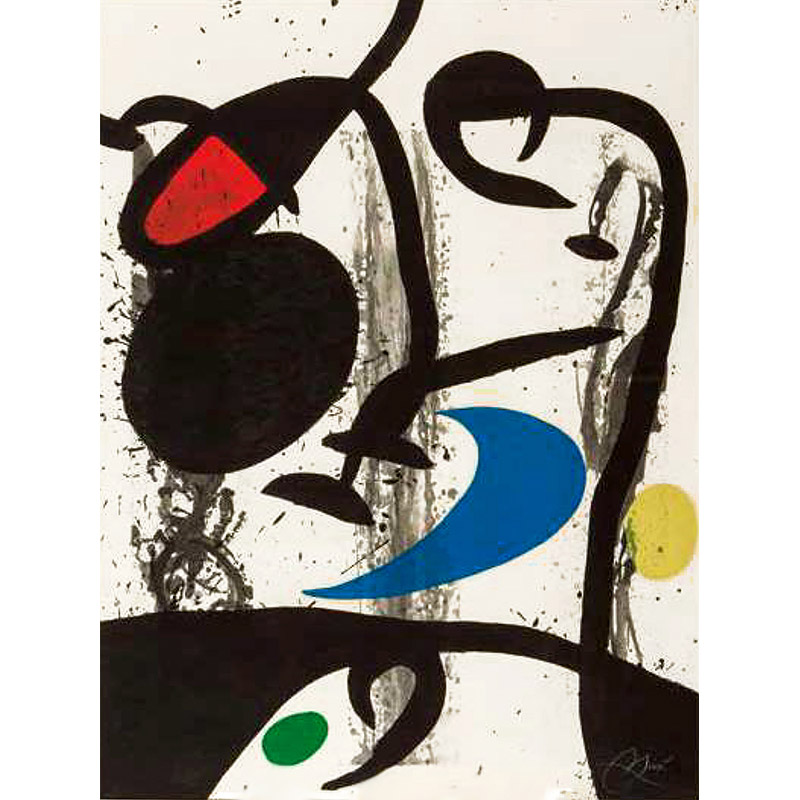
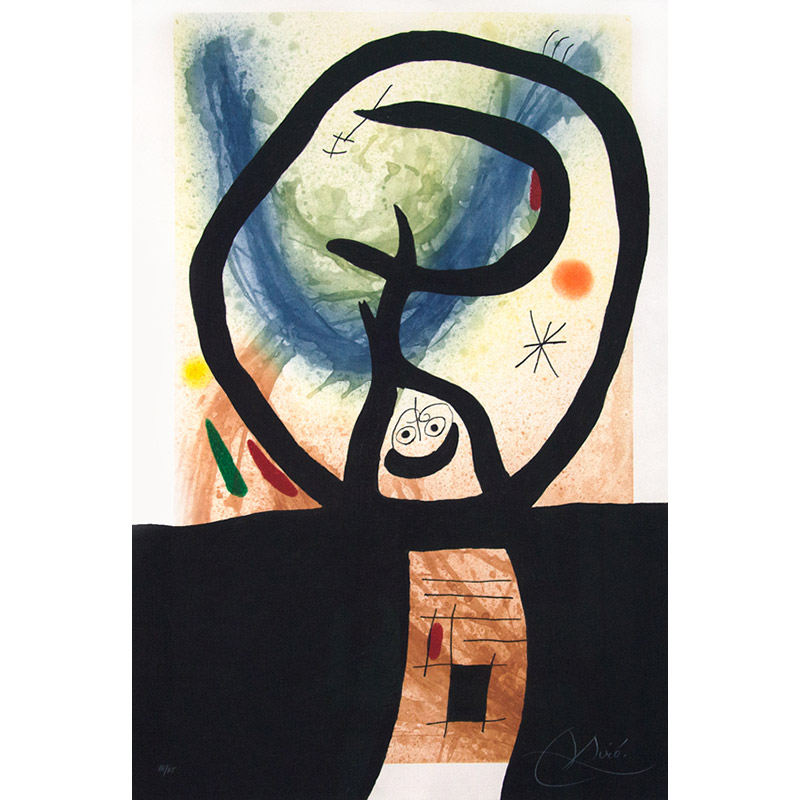
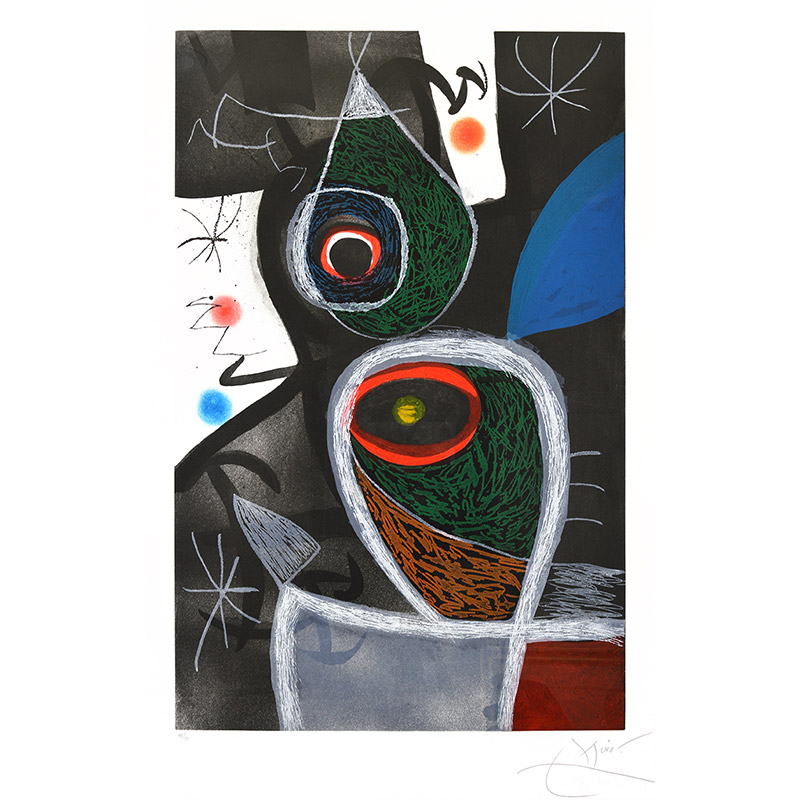
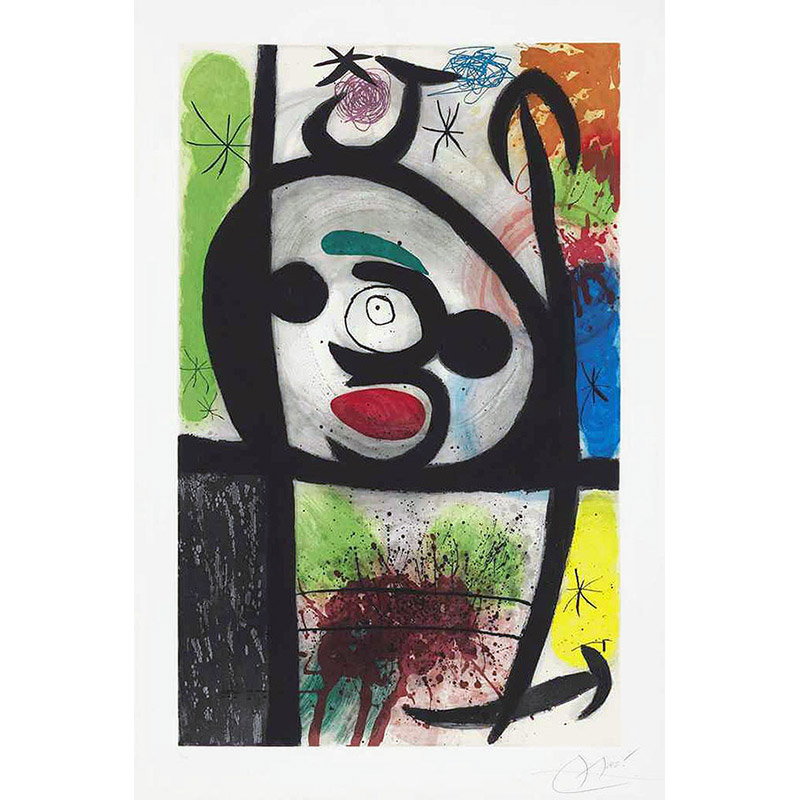
Selected examples:


Etching, Aquatint and Carborundum
Miró often combined several techniques within one work. The full medium matters when identifying an edition; a textured surface alone does not establish which process was used.
| Technique | What to identify |
|---|---|
| Etching and drypoint | Lines created through different plate-working processes, sometimes combined with other techniques. |
| Aquatint | Tonal areas that can accompany etched lines and color. |
| Carborundum combinations | Works incorporating an abrasive material on the printing matrix to produce rich texture, often alongside etching and aquatint. |
Signatures, Editions and Proofs
We compare the signature, numbering and any E.A., H.C. or other proof inscription with the documented edition. Roman numerals do not automatically indicate an artist’s proof, and a proof is not automatically worth more. A signature or edition number alone does not establish originality.
For illustrated books, include the justification page: a signature there does not necessarily mean every sheet was individually signed. Read our Miró identification guide for more detail.
Paper, Dimensions and Catalogue References
Paper and dimensions vary by edition. Dupin references identify Miró’s etchings, aquatints and related engraved works; Cramer covers illustrated-book projects. Include any reference you have. Distinguish sheet measurements from the frame or visible opening, and leave framed artwork in place for an initial inquiry.
For information about how individual artworks are evaluated, visit How Much Is My Joan Miró Worth?
What to Send
- Full photographs of the front and reverse.
- Close-ups of the signature, edition number, proof inscriptions and labels.
- Dimensions, title and Dupin or Cramer reference, if known.
- Purchase records, ownership history and any known condition issues.
- For a portfolio, photographs of all sheets, the justification page and original covers or case.
How Selling Your Miró Works
1. Send Photographs and Basic Details
Upload images through our selling page. Send what you have, even if the title or technique is uncertain.
2. Discuss the Artwork With Our Gallery
We review the edition, condition, provenance and relevant market comparisons. Additional photographs or an inspection may be needed.
3. Review the Offer and Sale Terms
For works we are seeking, we may make a confidential direct purchase offer. If you accept, we confirm payment, professional packing, insurance and transportation arrangements.
Read more about our selling process.
Frequently Asked Questions
Do you consider Miró works with carborundum?
Yes. We consider documented carborundum works, including those combining the technique with etching and aquatint. The specific work and edition determine our acquisition interest.
Can I sell one sheet from a portfolio?
We consider individual sheets as well as complete portfolios. Include the portfolio title and details of any remaining sheets or original materials.
Do I need a catalogue number before contacting you?
No. Clear photographs and basic details can begin our review. Further documentation or physical inspection may be needed before a purchase decision.